Key Takeaways
- Conversion-focused content goes beyond seller education to actively influence buyer decisions at critical touchpoints
- Accessible, aligned content ensures the right materials reach prospects when they’re ready to buy
- Buyer-facing assets like case studies and ROI calculators directly impact purchase decisions more than internal playbooks
- Content measurement reveals which materials actually drive conversions versus those that just get downloaded
- Strategic frameworks help teams create assets that serve both seller confidence and buyer conversion simultaneously
What Makes Content Conversion-Ready
The gap between content that informs sellers and content that converts buyers is wider than most teams realize. Research shows that when marketers align content to specific stages of the buyer’s journey, conversion rates increase by up to 73%. Yet currently, 65% of sales representatives report they cannot find content to send to prospects.
Conversion-ready content meets buyers where they are, not where sellers think they should be. This means creating materials that address actual buyer concerns rather than showcasing product features. High-performing teams measure critical indicators like conversion rates by funnel stage, with 45% of organizations tracking this metric to understand content impact.
The most effective assets focus on buyer outcomes rather than seller talking points. Email templates rank as the most commonly created enablement content at 53%, followed by call scripts at 39% and customer testimonials at 36%. These practical, buyer-facing materials demonstrate how successful teams prioritize resources that directly engage prospects over internal reference materials.
Timing makes all the difference. Sellers engage with learning and content for fewer than 10 minutes at a time in 60% of cases. This reality demands concise, immediately applicable resources that sellers can quickly access and share during active buyer conversations.
Understanding what makes content conversion-ready sets the stage for examining exactly how these materials influence buyer behavior.
How AI Elevates Sales Enablement Content
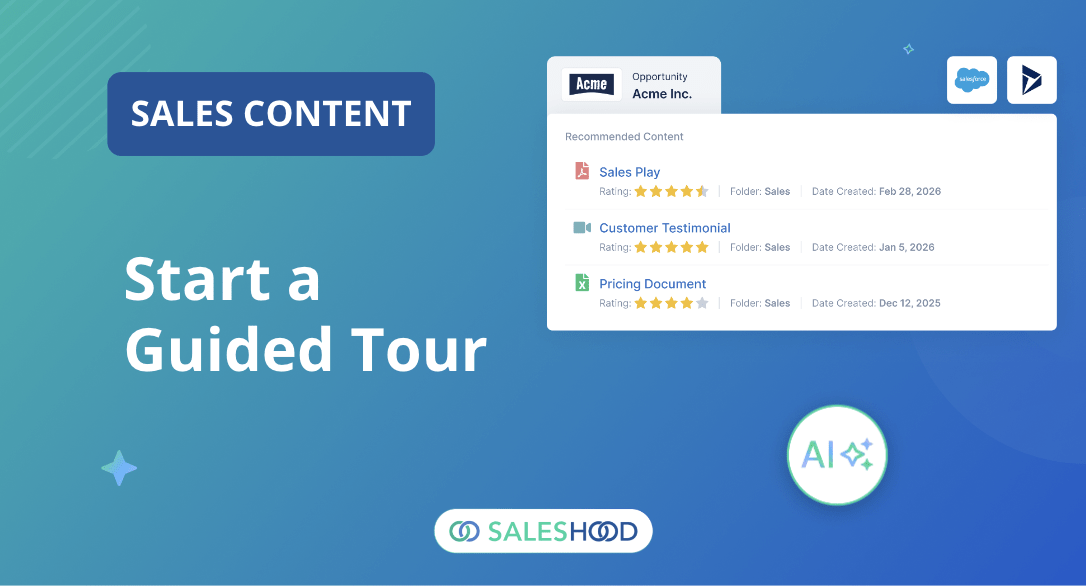
Sellers waste hours hunting content when seconds count. AI fixes that quite well. It surfaces prescriptive, just-in-time recommendations right in the conversation and deal flow, based on sales stage, buyer role, and proven win from past closes.
No folders. No friction. Platforms like SalesHood’s sales content solution embed this intelligence into Salesforce, Gmail, wherever reps live. Prep a demo? AI hands you the killer ROI calculator or case study that mirrors closed-won patterns. This isn’t nice-to-have, it’s the upgrade that makes good content unstoppable.
How Content Drives Conversions at Key Touchpoints
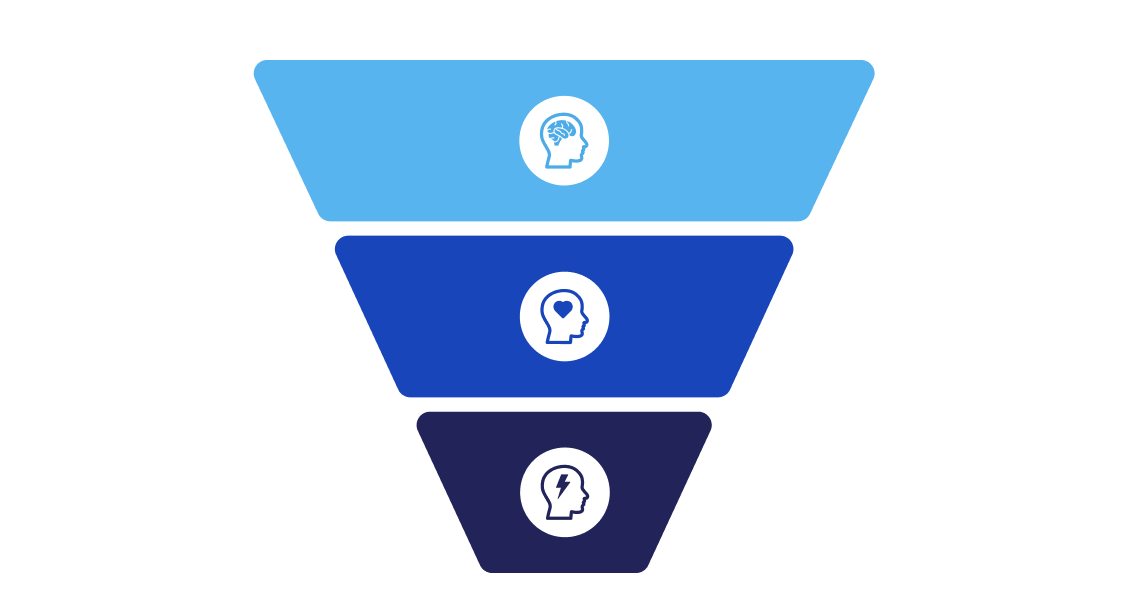
Sales enablement content transforms buyer behavior when it appears at specific moments when prospects evaluate options or work through objections. The journey from awareness to decision involves distinct touchpoints where the right content makes the difference between progression and stagnation. It has been often seen that aligned teams achieve more revenue growth from marketing tactics when content matches buyer journey stages.
Early-Stage Awareness Materials
Industry insights and thought leadership content create initial interest by helping buyers understand their challenges better. This educational content builds trust while positioning your expertise without pushing products. Materials like trend reports and problem-framing guides help buyers realize they need change. These materials can be published on websites and promoted through Digital Sales Rooms too.
Mid-Stage Evaluation Tools
Comparison guides, ROI calculators, and outcome-focused case studies help buyers justify solutions internally. These materials move beyond features to demonstrate measurable business impact. Interactive tools that let buyers input their own data engage them in solution design. Organizations report that 32% of created content consists of case studies, while 36% includes product demos that showcase real-world applications. Customer stories are always the surefire way to deliver credibility and drive deal urgency
Late-Stage Decision Support
Implementation guides, risk mitigation content, and reference stories address specific concerns that arise before purchase. These materials focus on removing final barriers by showing successful deployments and addressing common objections. When teams provide this targeted support, nurtured leads close deals 23% faster than non-nurtured prospects.
While understanding these touchpoints helps identify conversion opportunities, creating consistently effective content requires strategic frameworks.
AI as the Conversion Engine
The search problem has crippled sales content for decades: reps burn selling time digging for assets that might work. AI kills it dead, becoming the ultimate conversion engine by matching hyper-relevant materials to the exact buyer moment.
It scans engagement data, stakeholder patterns, and pipeline history to push Digital Sales Rooms packed with personalized hubs, skipping generics. Buyers get curated firepower; sellers get real-time nudges and 60% engagement lifts. The system learns, optimizes, and ties every asset to revenue reality.
Building a Content Strategy for Conversion Impact
Moving from ad-hoc content creation to systematic approaches helps teams consistently drive buyer action. Organizations implementing structured content for sales enablement see measurable improvements across key performance indicators.
Successful enablement strategies start with buyer journey mapping that identifies content needs at each stage. This mapping reveals gaps where buyers lack information needed to progress.
Teams track metrics like demo completion rates (52% of organizations), meeting completion rates (48%), and email response rates (32%) to understand which materials actually influence decisions.
The integration between marketing-created and sales-adapted materials proves critical. While 76% of content marketers currently overlook sales enablement in their efforts, leading organizations employ dedicated specialists who bridge this gap. These specialists ensure content addresses real buyer questions that surface during sales conversations.
Feedback loops from sales conversations drive content iteration. When sellers report recurring objections or questions, content teams create targeted materials addressing these specific concerns. This continuous refinement process helps organizations where currently only 10% of content achieves 50% engagement rates.
Technology platforms enable comprehensive content tracking and effectiveness measurement. Stack AI on top, and these platforms go proactive: auto-recommending assets, flagging library gaps, and pinpointing what actually closes deals, not just downloads.
Organizations monitoring how content influences pipeline report higher win rates. Teams that measure sales efficiency see 3 percentage point improvements in win rates on average.
StarCompliance significantly boosted its sales performance through the adoption of SalesHood’s comprehensive enablement platform. By integrating SalesHood into their training, onboarding, sales process coaching, and messaging alignment, they doubled their average selling price and increased new logo win-rates by 17%. Additionally, they cut their sales cycle length by 35%, enabling their teams to consistently hit quota.
This success showcases how structured mentorship combined with technology drives remarkable improvements in sales efficiency and effectiveness, confirming that empowered and well-prepared sales teams achieve stronger, faster results.
Even the best content strategies face common obstacles that limit conversion impact.
Common Content Conversion Challenges
Even well-intentioned content efforts miss the mark on driving actual conversions when teams face persistent obstacles. Understanding these challenges helps organizations build a more effective sales enablement content strategy.
- Content accessibility remains a major barrier, with sellers spending excessive time creating or personalizing content according to many organizations. When representatives waste valuable selling time searching for materials, buyer engagement suffers. Only a small portion of enablement teams track the time reps spend searching for content, missing critical efficiency insights.
- Misalignment between content timing and buyer readiness creates another challenge. Outdated sales content still circulates in many organizations, while others report that sellers send content that diverges from brand standards. Without proper governance systems, even high-quality content fails to support conversions.
- Measurement complexity prevents teams from understanding content impact. Many organizations lack insights into which content performs best and when, while those tracking effectiveness see a direct link to improved win rates.
These challenges reveal why so much content falls flat when it comes to conversions. They also make it clear that without the right systems and strategy, even strong content can underperform. Now the focus shifts to what teams can do to close these gaps and turn content into a real conversion engine.
The Future of Sales Enablement Content
The evolution toward more interactive, personalized content experiences is reshaping how teams approach buyer engagement. As adoption of sales enablement software continues growing—with usage increasing from 40% to 59% of B2B sales professionals in just one year—organizations recognize content as critical conversion infrastructure.
Integration between content delivery and sales coaching platforms creates unified experiences where sellers access the right materials while receiving guidance on effective usage. Performance data reveals which content drives actual revenue impact versus vanity metrics like download counts.
Teams that are implementing AI sales content management are already seeing proof of this in their pipelines. Book a demo to see how integrated content and analytics platforms transform random assets into systematic conversion drivers.
Frequently Asked Questions (FAQs)
What’s the difference between regular sales content and conversion-focused content?
Regular sales content typically educates sellers about products, processes, or competitive positioning. Conversion-focused content directly addresses buyer concerns and helps them make purchase decisions. For example, a product feature sheet is regular content, while an ROI calculator that shows specific business impact is conversion-focused. The key difference lies in who uses it and what action it drives.
How does sales enablement content compare to marketing content?
Marketing content generates awareness and interest among broad audiences through channels like websites, social media, and advertising. Sales enablement content provides targeted materials sellers use during one-on-one buyer interactions. While marketing might create an industry trend report, sales enablement adapts it with specific talk tracks, objection handlers, and customization guides. The best programs integrate both for seamless buyer experiences.
What results can you expect from better sales enablement content?
Organizations with mature sales enablement programs achieve win rates of at least 25% compared to 10-20% for those just starting. Representatives reach quota faster, typically within three months versus six months for less developed programs. Teams also report reduced sales cycles, higher average contract values, and fewer deals lost to competition when content effectively supports buyer decision-making.
What makes sales enablement content difficult to get right?
Several factors complicate content effectiveness. Sales adoption remains challenging when materials don’t match real-world selling situations. Measuring which content actually influences deals requires sophisticated tracking most teams lack.
Resource constraints mean content quickly becomes outdated without dedicated maintenance. The gap between what marketing creates and what sales needs often results in misaligned materials that don’t serve buyers effectively.